Ann Arbor top home remodeling contractor for Residential Remodeling
Ann Arbor top home remodeling contractor for Residential Remodeling
Blog Article
Home Remodeling: Transform Your Space Into Your Ideal Home
Home remodeling offers a practical approach to enhancing both function and visual appeal in residential areas. It enables homeowners to personalize their spaces and potentially boost property value. However, attaining the desired results requires thorough planning and commitment to a budget. Understanding design styles and selecting the right contractors are essential steps in this process. As homeowners begin this journey, they must consider what they truly wish to achieve. The path ahead contains several significant factors to explore.
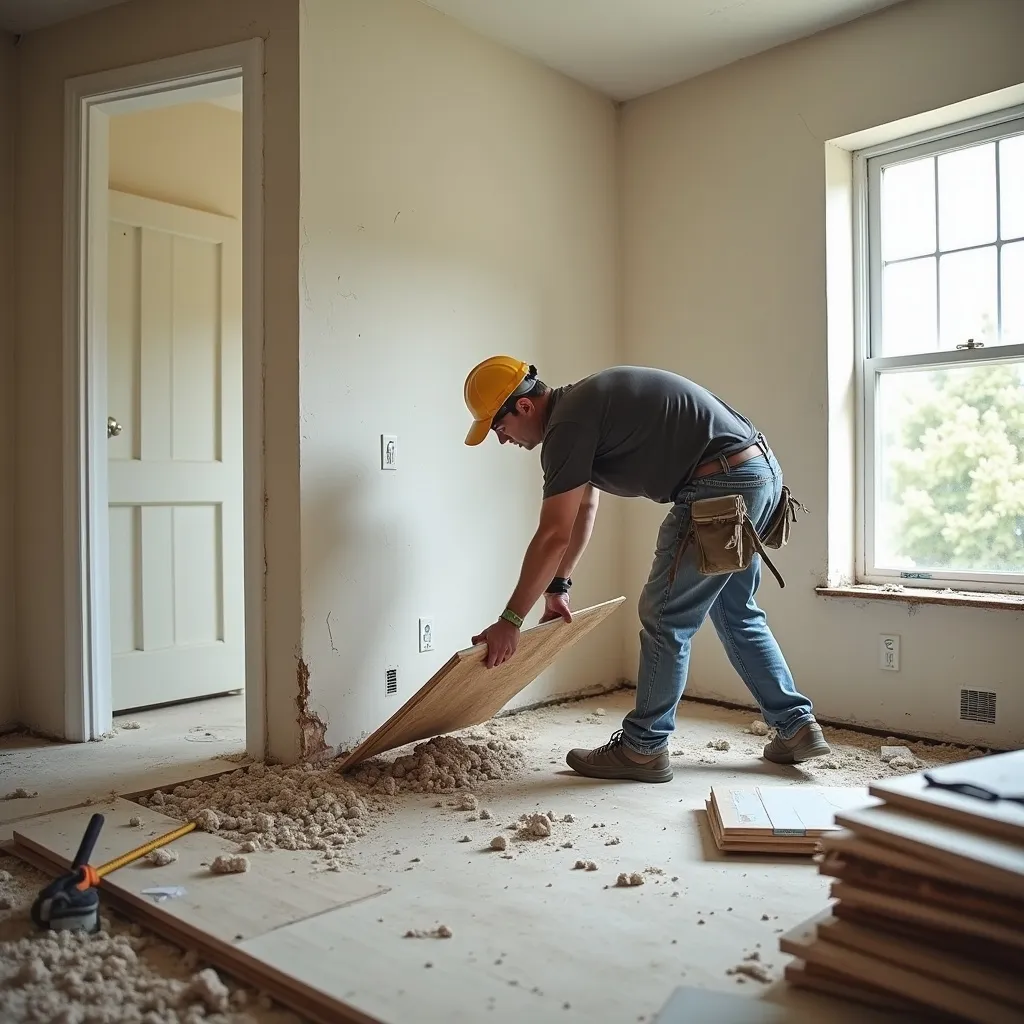
What Objectives Do You Have for Your Home Renovation?
What aims does one have in mind when beginning a home renovation project? People often strive to improve functionality, upgrade aesthetics, or increase property value. Some may want a more open layout to foster social interactions, while others aim to establish a tranquil retreat within their home. Specific objectives can include modernizing outdated spaces, incorporating energy-efficient elements, or enlarging living areas to accommodate growing families.
In addition, a homeowner might want to customize their environment to mirror their individual style and wants, making it a genuine depiction of themselves. Safety and ease of access can similarly be significant considerations, particularly for those with elderly relatives or limitations. Ultimately, the goals of a remodeling endeavor serve as the foundation for making decisions, directing determinations in aesthetic, materials, and complete performance. Understanding these objectives is essential for securing a meaningful transformation that satisfies both practical requirements and individual preferences.
Tips for Budgeting Your Home Remodel Project
Budgeting for a home remodeling project requires careful planning and consideration. It is crucial to establish an overall budget, rank necessary improvements, and account for unforeseen costs that may occur. By tackling the budgeting procedure methodically, homeowners can achieve their goals without financial strain.
Establish Your Overall Budget
Before launching a home renovation project, it is necessary to create an comprehensive budget that corresponds with both financial constraints and renovation goals. Property owners should initiate by evaluating their finances to grasp how much they can reasonably allocate for the project. This includes analyzing savings, income, and available financing options. It is also sensible to account for unexpected expenses, typically 10-20% of the total budget, to address unforeseen issues that may surface during renovation. Additionally, property owners should investigate the costs pertaining to various materials and labor in their area, allowing informed decisions. By setting a clear budget, property owners can maintain focus on their renovation goals and avoid the stress of overspending.
Highlight Essential Modifications
With a spending plan firmly set, homeowners can now concentrate on identifying which improvements will provide the most benefit and usefulness to their space. Prioritizing critical upgrades involves evaluating areas that require immediate focus, such as outdated plumbing or electrical systems, which can pose safety risks. Since kitchen and bathroom renovations often provide great returns on investment, it is prudent to allocate funds for modernizing these sections of the home. Furthermore, boosting energy efficiency via windows, insulation, or appliances helps cut long-term costs. Considering lifestyle requirements is also important for homeowners, like making open spaces for family gatherings or separate work zones. By choosing upgrades strategically to suit immediate priorities and long-term plans, homeowners can optimize their remodeling results without exceeding their budget.
Plan For Unanticipated Expenses
Anticipating unforeseen expenses is crucial for homeowners beginning a remodeling project. Budgets can quickly become strained when unexpected problems arise, such as structural problems, outdated wiring, or hidden water damage. Professionals suggest setting aside an extra 10 to 20 percent of the overall budget to cover these contingencies. Property owners should also consider possible cost variations in supplies and workmanship. Investigating area contractors and obtaining multiple estimates can provide a clearer picture of expected expenses. Additionally, keeping clear dialogue with contractors throughout the process helps identify and address problems promptly. By proactively accounting for these unforeseen expenses, homeowners can ensure that their remodeling project stays on track, ultimately renovating their home without financial strain.
What Design Approaches Fit Your Home Renovation?
In the domain of home remodeling, design styles play an vital function in determining the overall aesthetic. Homeowners can pick from a array of alternatives, like modern minimalist aesthetics, cozy rustic charm, and elegant traditional touches. Each design presents its own unique character, shaping both the atmosphere and practicality of the space.
Latest Minimalist Artistic Vision
Contemporary reductive design offers an stimulating strategy to house renovation, characterized by simplicity and usefulness. This aesthetic approach stresses open spaces, straight edges, and a subdued selection of colors, often presenting muted shades that create a sense of calm. Décor and furniture are deliberately selected, yielding an clean environment that boosts overall harmony. Organic elements, such as wood and stone, commonly serve as an important capacity, contributing warmth while maintaining a refined aesthetic. Lighting is thoughtfully planned, frequently employing large windows to enhance natural light. In a contemporary minimalist home, each detail has a function, adding to a cohesive look that demonstrates the homeowner's values of distinctness and productivity. This aesthetic promotes peace, making it ideal for contemporary everyday life.
Warm Rustic Charm
Embracing the essence of warmth and coziness, cozy rustic charm stands as a favored choice for homeowners looking for a more welcoming atmosphere. This decor approach often incorporates natural materials, such as reclaimed wood, stone, and soft textiles, producing an natural feel. Earthy color palettes—think warm browns, soft greens, and muted reds—strengthen the connection to nature.
Key components feature uncovered wooden supports, oversized furniture, and vintage accessories, which generate a sense of nostalgia. Fireplaces function as key features, gathering families together in a easygoing space. Additionally, blending up-to-date facilities with rustic characteristics allows functionality without diminishing charm. Overall, cozy rustic charm reshapes spaces into tranquil retreats, making it an compelling choice for those aiming to infuse their homes with soul and coziness.
Polished Conventional Flourishes
While many homeowners strive for comfort through country designs, others perceive beauty in the refined style of traditional styles. This design approach emphasizes classic elements such as ornate moldings, period furniture, and vibrant color palettes. Traditional spaces often exhibit mirrored plans and structured designs, creating a sense of balance and grace. Incorporating historical or vintage pieces can enhance genuineness, while luxurious fabrics like silk and velvet add layers and surface interest. Architectural details, such as tray ceilings and wood paneling, add an overall sense of grandeur. Homeowners embracing this style often favor warm, inviting spaces that showcase their heritage or personal history, rendering traditional design a durable choice for those hoping to capture a sense of sophistication in their remodeled homes.
How to Identify the Right Specialists for Your Home Remodeling?
Picking the right service providers for house renovation can greatly impact the achievement of a job. Homeowners should start by exploring local contractors and confirming their credentials, comprising licenses and protection. Reading online reviews and seeking referrals from relatives or peers can deliver valuable insights into a service provider's reputation.
It's critical to speak with multiple candidates next to assess their interpersonal skills and professionalism. Homeowners must request comprehensive quotes and timelines to ensure openness. A reputable contractor should be happy to answer questions and deliver a thorough grasp of the project scope.
Additionally, examining past assignments or portfolios can assist homeowners evaluate a contractor's style and quality of work. Finally, trust and connection are important; a contractor's demeanor and eagerness to collaborate can significantly influence the remodeling experience. By implementing these steps, homeowners can make informed choices that correspond with their objective for their dream home.
What Key Advice Should You Follow for a Successful Home Remodeling?
How can property owners guarantee a positive home renovation undertaking? First, establishing a well-defined plan is crucial. Homeowners should define their objectives and priorities, making sure all parties comprehend the intended outcome. Subsequently, establishing a practical financial plan helps reduce unforeseen expenses. It's crucial to include a reserve allocation for unexpected challenges.
Strong interaction with contractors is critical; property owners must articulate their goals clearly. Consistent updates and site visits can facilitate this process. Furthermore, researching materials and trends will equip homeowners to make well-informed decisions, balancing appearance and practicality.
To conclude, securing necessary licenses guarantees adherence to local regulations, preventing future issues. By following these recommendations, homeowners can manage the complexities of remodeling, ultimately converting their space into similar resource a dream residence.
Ways to Keep Your Recently Renovated Home in Top Shape?
Once investing time and resources into a home remodel, homeowners must prioritize regular maintenance to preserve their newly transformed space. Regular cleaning is essential; using fitting cleaners for different surfaces will avert damage and wear. For instance, hardwood floors require special cleaners that protect the finish, while countertops may require specialized care to avoid stains.
In addition, homeowners should undertake seasonal inspections to address any issues as soon as possible. This entails looking for leaks, maintaining HVAC systems, and guaranteeing outdoor drainage is functioning properly. Routine upkeep of appliances and fixtures will also extend their lifespan.
Furthermore, it is suggested to develop a maintenance plan that lists tasks like repainting or resealing surfaces as necessary. By dedicating effort on these maintenance activities, homeowners can keep up the beauty and efficiency of their remodeled spaces, ultimately raising their property’s value and comfort for years ahead.
Typically Posed Queries Frequently
What is the Timeline of a Common Home Remodeling Project?
A conventional home remodeling undertaking may consume anywhere from a few weeks to several months, subject to the breadth, sophistication, and size of the remodel. Each project differs depending on particular demands and unpredictable difficulties.
What Licenses Are Necessary for Home Renovation?
Usually, permits required for home remodeling comprise building, electrical, plumbing, and mechanical permits. Local regulations may differ, so it's crucial for homeowners to consult their municipality to ensure compliance with all necessary requirements and guidelines.
What Strategies Can Assist Me Reduce Disturbances During Remodeling?
To minimize disruptions during remodeling, one can create open dialogue with contractors, set defined scheduling, assign a separate living area, and maintain a tidy workspace. Advance planning helps ensure a smoother remodeling process.
What Frequent Pitfalls Should You Avoid During Renovation Work?
Avoid these common errors when remodeling: underestimating budgets, neglecting approvals, forgoing comprehensive planning, selecting wrong materials, ignoring timelines, and failing to communicate clearly with construction teams, all of which can result in costly postponements and disappointing results.
How Can I Manage Unforeseen Costs During Remodeling?
To manage unforeseen costs during remodeling, one should maintain a contingency budget, discuss freely with contractors, prioritize essential improvements, and remain flexible in decision-making. This approach helps manage budgets and reduces anxiety throughout the project.
Report this page